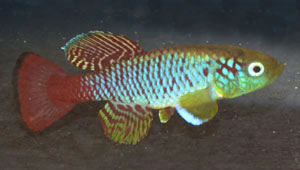
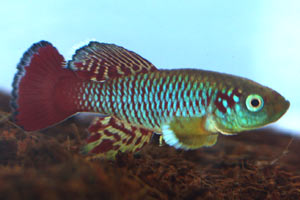
Nothobranchius guentheri Zanzibar TAN 97-2.
Nothobranchius guentheri Zanzibar
Nothobranchius guentheri Zanzibar
Current Scientific Name:
Nothobranchius guentheri
Described: (Pfeffer), 1893
Common name(s):
Distribution: Tanzania (Zanzibar Island)
Some Recorded Strains:
Zanzibar
Zanzibar TAN 97-2
Zanzibar TAN 97-4
Another spectacularly coloured notho
Visually rather similar to Nothobranchius foerschi, except it has a more pronounced red cheek dot
A strain known as yellow, or pink also exists; it has no red colouration, just a blue body with pink/yellow tail
Like all Nothobranchius species a diet of livefoods is preferred
Breeding Nothobranchius guentheri
Have you had any experience breeding this species? Why not fill in a species questionaire
3 other fishkeepers have successfully bred this species and left reports, their results are sumarised below
Method:
Peat (or similar) spawning substrate (100%)Water Conditions:
Moderately soft and acidic (63%)
Neutral (13%)
Very soft and acidic (13%)
Moderately hard and alkaline (13%)Temperature:
20-23°C (50%)
28°C+ (25%)
24-27°C (13%)
16-19°C (13%)
Read the full breeding report(s) for Nothobranchius guentheri
Killi.co.uk is funded by its visitors. When you buy through links on our site we may earn an affiliate commission. For more info see
terms and conditions.
Indianapolis, Indiana, 462**, UNITED STATES OF AMERICA
$66
* For the safety of our animals, we now ship live fish exclusively via UPS Next Day Air If your order contains this item, you will only see UPS Next Day Air as a shipping option during checkout *
The Red Cap Medaka Ricefish is an extremely rare and lovely variant of its species!
The Red Cap Medaka Ricefish (Oryzias latipes ??Red Cap??), also known as the Japanese Ricefish or Japanese Killifish, is an extraordinarily adaptable fish species. This schooling fish can be the ...
more
Orlando, Florida, 328**, UNITED STATES OF AMERICA
$16
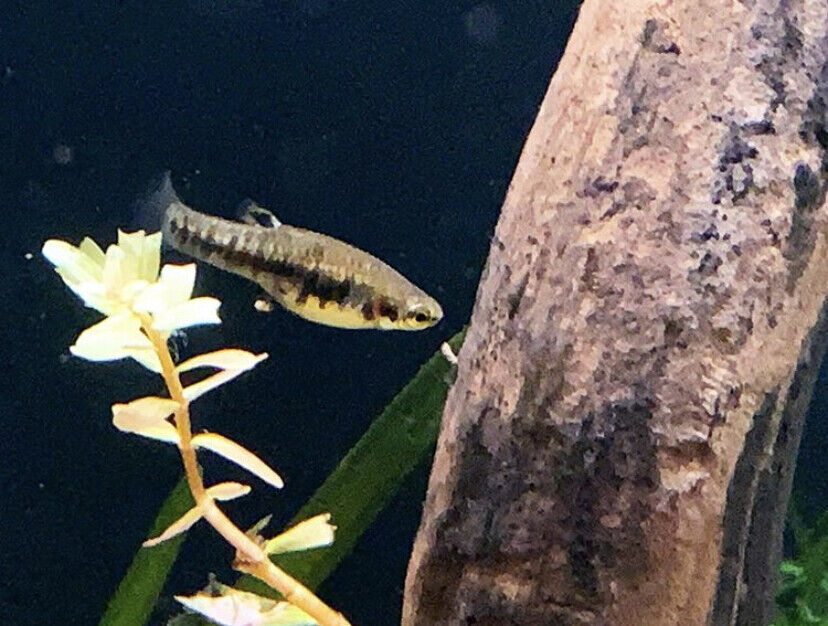
You will receive 3 healthy fish (1male / 2 females) plus 1 additional free least killifsh. Heterandria formosa (Least killifish) aka the smallest livebearer in the world are a hardy native fish found in Florida and select areas of the south eastern united states. Females can get just over an inch and are slightly more round than their smaller and more slender male counterparts. They can withstand cooler temperatures and can be kept without a heater at room temperature. Peaceful fish that ...
more
Ardenvoir, Washington, 988**, UNITED STATES OF AMERICA
$13
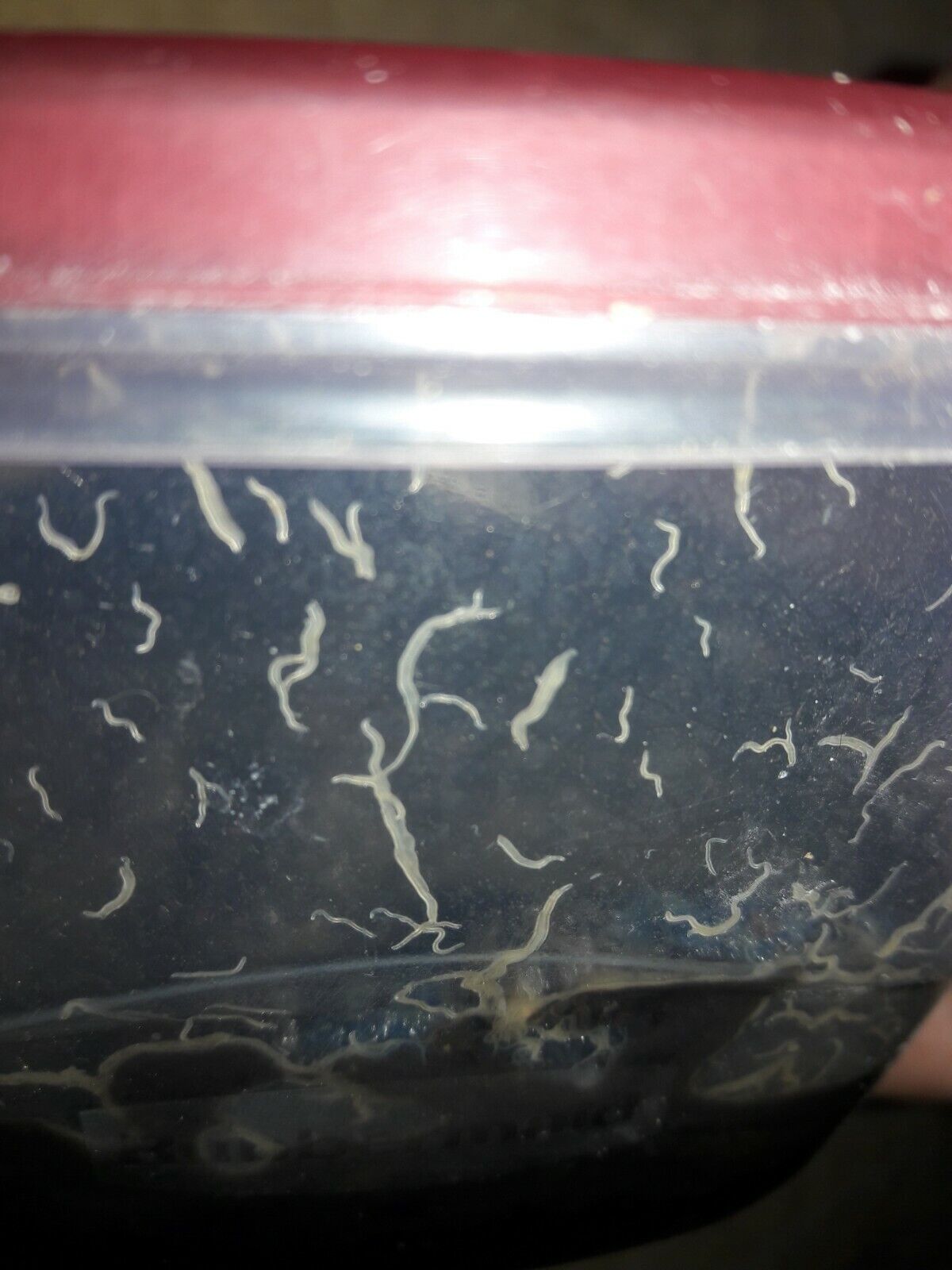
Grindal worms are small cousins to earthworms, and appeal to many species of fish, and fish fry, and are very easy to raise! You will receive a 2 oz portion cup of soil less media filled with live grindal worms, as well as detailed instructions to get your colony going and reproducing quickly. Also check out our other live fish food items, as well as heirloom seeds for the gardener in you!...
more Nothobranchius guentheri breeding reports
Each record reproduced here represents one instance of breeding this species. Have you kept and bred Nothobranchius guentheri? Why not add a breeding report? If you had different results, or used different methods, please share your experiences
How to keep and breed Nothobranchius guentheri
This database consists of breeding reports provided by the world killifish community, along with some statistical analysis. Results provided by successful keepers are aggregated in the bar charts below, with more detailed reports below that. Like any block of data, the larger the more significant. Please contribute a report of your attempt to breed Nothobranchius guentheri, even if you have had a negative results. You may, of course, file more than one report, particularly if you change some condition, and had a different result.
breeders have filled in breeding reports, a summary of the results are shown in the graphs below.
Would Nothobranchius guentheri be a good addition to a community tank?
- Never
- Doubtful, only with VERY calm fish
- Only with species of similar size
- Yes, a good community fish
How would you describe the disposition of Nothobranchius guentheri?
- Very timid
- Slightly timid
- Neutral
- Somewhat aggressive on occasions
- Very aggressive
In which water conditions do you keep these fish?
- Very soft and acidic
- Moderately soft and acidic
- Neutral
- Moderately hard and alkaline
- Very hard and alkaline
At what average temperature?
- 10-15°C
- 16-19°C
- 20-23°C
- 24-27°C
- 28°C+
What, if any is the biggest difficulty encountered when breeding these fish?
- Poor egg production
- Poor egg survival
- Poor fry survival rate
- Deformities
- Skewed sex ratio
How would you describe sex ratios when breeding Nothobranchius guentheri?
- Almost all males
- Somewhat male heavy
- Roughly equal
- Somewhat female heavy
- Almost all females
In general, how difficult is Nothobranchius guentheri to keep and breed?
- Very easy
- Easy
- Average
- Difficult
- Very difficult
How successful have you been at breeding Nothobranchius guentheri?
- Very unsuccessful
- Fairly unsuccessful
- Average
- Fairly successful
- Very successful
Very successful / fairly successful
Breeding Report: Nothobranchius guentheriWater conditions: Moderately soft and acidic, 28oC+
Spawning Method: Peat (or similar) spawning substrate
Sex ratio: Roughly equal
Breeding difficulty: Very easy
Success: Very successful
Breeder: (1 years experience with this species)
Date this record created: 15th September 2005
Breeding Report: Nothobranchius guentheriWater conditions: Moderately hard and alkaline, 20-23oC
Spawning Method: Peat (or similar) spawning substrate
Breeding problems: Skewed sex ratio
Sex ratio: Almost all males
Breeding difficulty: Difficult
Success: Very successful
Other Comments: Ideal killifish highly recommendable very beautiful ideal for nascent maintaining it
Breeder: Mario Manuel Rueda, Mexico City (4 years experience with this species)
Date this record created: 29th January 2009
Breeding Report: Nothobranchius guentheriWater conditions: Moderately soft and acidic, 20-23oC
Breeding problems: Poor fry survival rate
Breeding difficulty:
Success: Fairly successful
Other Comments: when they hatch the babies was wery little(around 3mm) and I think that the probleme is the feeding I haved use microworm but lot of them die the same day that they born And finaly from the 20 eggs they have only 2 growth to 10mm Next time i will use infusoir
Breeder: (1 years experience with this species)
Date this record created: 2nd December 2003
Breeding Report: Nothobranchius guentheriWater conditions: Neutral, 24-27oC
Spawning Method: Peat (or similar) spawning substrate
Breeding problems: Poor fry survival rate
Sex ratio: Roughly equal
Breeding difficulty: Easy
Success: Fairly successful
Other Comments: I have been primarily feeding new fry for approxamately 10 days with a 100-200 micron Golden Pearl Powder. You can actually see a pinkness in the belly from this food and therefore it would be fair to say it is being ingested. After 10 days they go to a mix of GP and microworms.
Breeder: G.Hanke, Alberta, canada (9 years experience with this species)
Date this record created: 21st January 2005
Breeding Report: Nothobranchius guentheriWater conditions: Moderately soft and acidic, 16-19oC
Spawning Method: Peat (or similar) spawning substrate
Breeding problems: Skewed sex ratio
Sex ratio: Somewhat male heavy
Breeding difficulty: Easy
Success: Fairly successful
Other Comments: i have found that although the fry are quiet small they are large enough to take newly hathched brine shrimp and micro worms.The latest hatching is the fourth generation from my original pair.
Breeder: Nigel Roberts, Worthing (3 years experience with this species)
Date this record created: 22nd June 2005
Breeding Report: Nothobranchius guentheriLocation code: Zanzibar TAN 97-4
Water conditions: Moderately soft and acidic, 28oC+
Spawning Method: Peat (or similar) spawning substrate
Sex ratio: Roughly equal
Breeding difficulty: Easy
Success: Fairly successful
Breeder: (1 years experience with this species)
Date this record created: 22nd October 2005
Breeding Report: Nothobranchius guentheriWater conditions: Moderately soft and acidic, 20-23oC
Spawning Method: Peat (or similar) spawning substrate
Sex ratio: Somewhat male heavy
Breeding difficulty: Easy
Success: Fairly successful
Other Comments: great starter killi.........peat spawns would be excellent for use in the classroom/educational setting. Kids will enjoy the virtual "instant" appearance of small fish/fry. Coupled with the production of baby brine shrimp as food, this would make a great long term classroom project. Beatiful killi
Breeder: (10 years experience with this species)
Date this record created: 3rd September 2006
Breeding Report: Nothobranchius guentheriLocation code: Zanzibar
Water conditions: Very soft and acidic, 20-23oC
Spawning Method: Peat (or similar) spawning substrate
Sex ratio: Roughly equal
Breeding difficulty: Easy
Success: Fairly successful
Breeder: Paul, Germany (2 years experience with this species)
Date this record created: 7th January 2008
Average success
Breeding Report: Nothobranchius guentheriWater conditions: Neutral, 28oC+
Spawning Method: Peat (or similar) spawning substrate
Breeding problems: Skewed sex ratio
Sex ratio: Almost all females
Breeding difficulty: Easy
Success: Average
Other Comments: En mi experiencia y mi caso, logro llevar a bune termino todos los alevines que nacen, pero tengo un problema con el sex ratio, casi todos mis peces nacen hembras, tanto que la proporcion es casi 10 a 1, se alimentan casi exclusivamente de alimento vivo, es dificil acostumbrarlos a alimentos secos.
Son peces realmente hermosos, con un caracter bien marcado.
Breeder: ignis, Colombia (2 years experience with this species)
Date this record created: 30th January 2020
Unsuccessful
Breeding Report: Nothobranchius guentheriWater conditions: Moderately hard and alkaline, 24-27oC
Spawning Method: Peat (or similar) spawning substrate
Sex ratio: Roughly equal
Breeding difficulty: Easy
Success: Fairly unsuccessful
Other Comments: Food - BBS, beefheart, frozen bloodworm, frozen brine shrimp,grated prawn.
Males tended to fight when sexing out if kept in too smaller tank (18"+ required)
Breeder: Matt Talbot, UK
Date this record created: 30th January 2003
Breeding Report: Nothobranchius guentheriWater conditions: Moderately soft and acidic, 20-23oC
Breeding problems: Poor fry survival rate
Breeding difficulty:
Success: Fairly unsuccessful
Other Comments: when they hatch the babies was wery little(around 3mm) and I think that the probleme is the feeding I haved use microworm but lot of them die the same day that they born And finaly from the 20 eggs they have only 2 growth to 10mm Next time i will use infusoir
Breeder: (1 years experience with this species)
Date this record created: 2nd December 2003
Breeding Report: Nothobranchius guentheriLocation code: Zanzibar TAN 97-2
Water conditions: Neutral, 28oC+
Spawning Method: Peat (or similar) spawning substrate
Sex ratio: Somewhat female heavy
Breeding difficulty: Easy
Success: Fairly unsuccessful
Breeder: kho, Singapore (1 years experience with this species)
Date this record created: 11th November 2005
Breeding Report: Nothobranchius guentheriLocation code: Zanzibar TAN 97-2
Water conditions: Very soft and acidic, 24-27oC
Sex ratio: Almost all females
Breeding difficulty: Easy
Success: Fairly unsuccessful
Breeder: (1 years experience with this species)
Date this record created: 12th December 2005
Killi.co.uk is funded by its visitors. When you buy through links on our site we may earn an affiliate commission. For more info see
terms and conditions.
San Jose, California, 951**, UNITED STATES OF AMERICA
$23
The unisex heavy cotton tee is the basic staple of any wardrobe. It is the foundation upon which casual fashion grows. All it needs is a personalized design to elevate things to profitability. The specialty spun fibers provide a smooth surface for premium printing vividity and sharpness. No side seams mean there are no itchy interruptions under the arms. The shoulders have tape for improved durability.
: 100% Cotton (fiber content may vary for different colors)
: Medium fabric (5 3 ...
more
Indianapolis, Indiana, 462**, UNITED STATES OF AMERICA
$18
* For the safety of our animals, we now ship live fish exclusively via UPS Next Day Air If your order contains this item, you will only see UPS Next Day Air as a shipping option during checkout *
This fairly uncommon lampeye killifish is a real standout due to its iridescent blue-green horizontal striping!
The Neon Stripe Lampeye Killifish (Aplocheilichthys macrophthalmus) is a peaceful fish whose small size makes it absolutely perfect for the nano or planted aquarium. Its ...
more
Erie, Pennsylvania, 165**, UNITED STATES OF AMERICA
$12
THE TULLIBEE - THE GRAYLING - THE STRIPED KILLIFISH Print
This print was taken from an antique book copyright 1902
Size of print: 9 1 / 2" x 6"
Would be a great print framed!!!
aucCounter aucCounter span:hover{ text-decoration:underline; }
Track Page Views With
Auctiva's FREE Counter...
more
Indianapolis, Indiana, 462**, UNITED STATES OF AMERICA
$12
* For the safety of our animals, we now ship live fish exclusively via UPS Next Day Air If your order contains this item, you will only see UPS Next Day Air as a shipping option during checkout *
This small fish is very peaceful and ideal for both beginners and experts alike, plus it is an excellent addition to the planted aquarium!
The Norman??s Lampeye Killifish (Poropanchax normani) is a peaceful fish whose small size makes it absolutely perfect for the nano or planted ...
more
Bethel, Connecticut, 068**, UNITED STATES OF AMERICA
$5
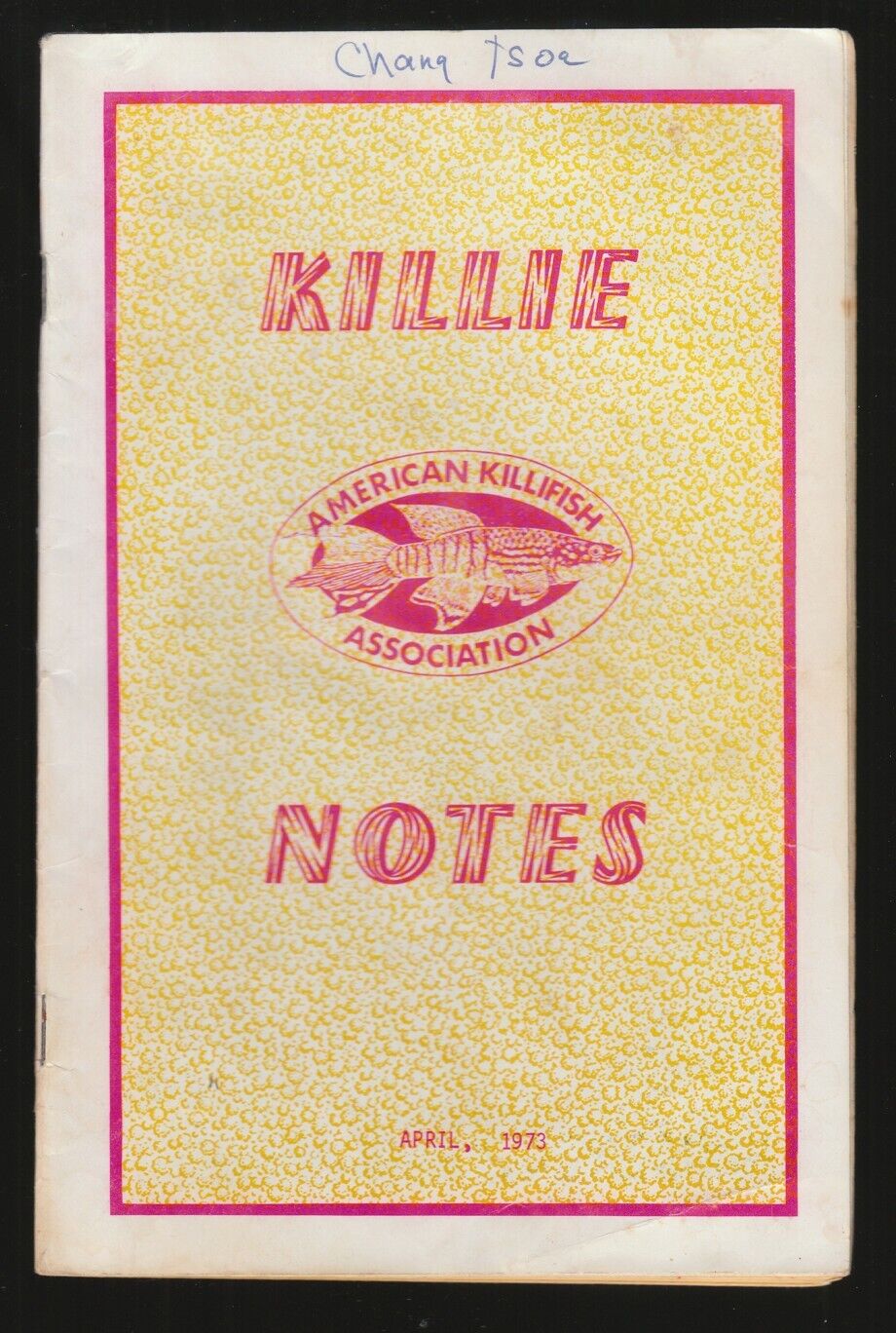
[75687] AMERICAN KILLIFISH ASSOCIATION "KILLIE NOTES" APRIL 1973 (Vol. 6, #4); PAGES 3-26; IN GOOD CONDITION with minor cover wear, writing notes on inside pages
PAYMENT through PAYPAL to be received and collected within 24 hours OF END OF AUCTION.
International Buyers ?? Please Note: Import duties, taxes and charges are not included in the item price or shipping charges. These charges are the buyer's responsibility. Please check with your country's customs office to determine what ...
more
Indianapolis, Indiana, 462**, UNITED STATES OF AMERICA
$18
* For the safety of our animals, we now ship live fish exclusively via UPS Next Day Air If your order contains this item, you will only see UPS Next Day Air as a shipping option during checkout *
The American Flagfish, also known as the Florida Flagfish, is a hardy community fish that is one of the few species that eats black beard algae! It is also great for small ponds!
The American Flagfish Killifish (Jordanella floridae) is a colorful, peaceful fish that is native to much of ...
more